




Wildlife & encounters
Alongside elephants, watch for giraffe, zebra, wildebeest, impala, buffalo and predators including lion. Birdlife is rich, with raptors and colorful woodland species.
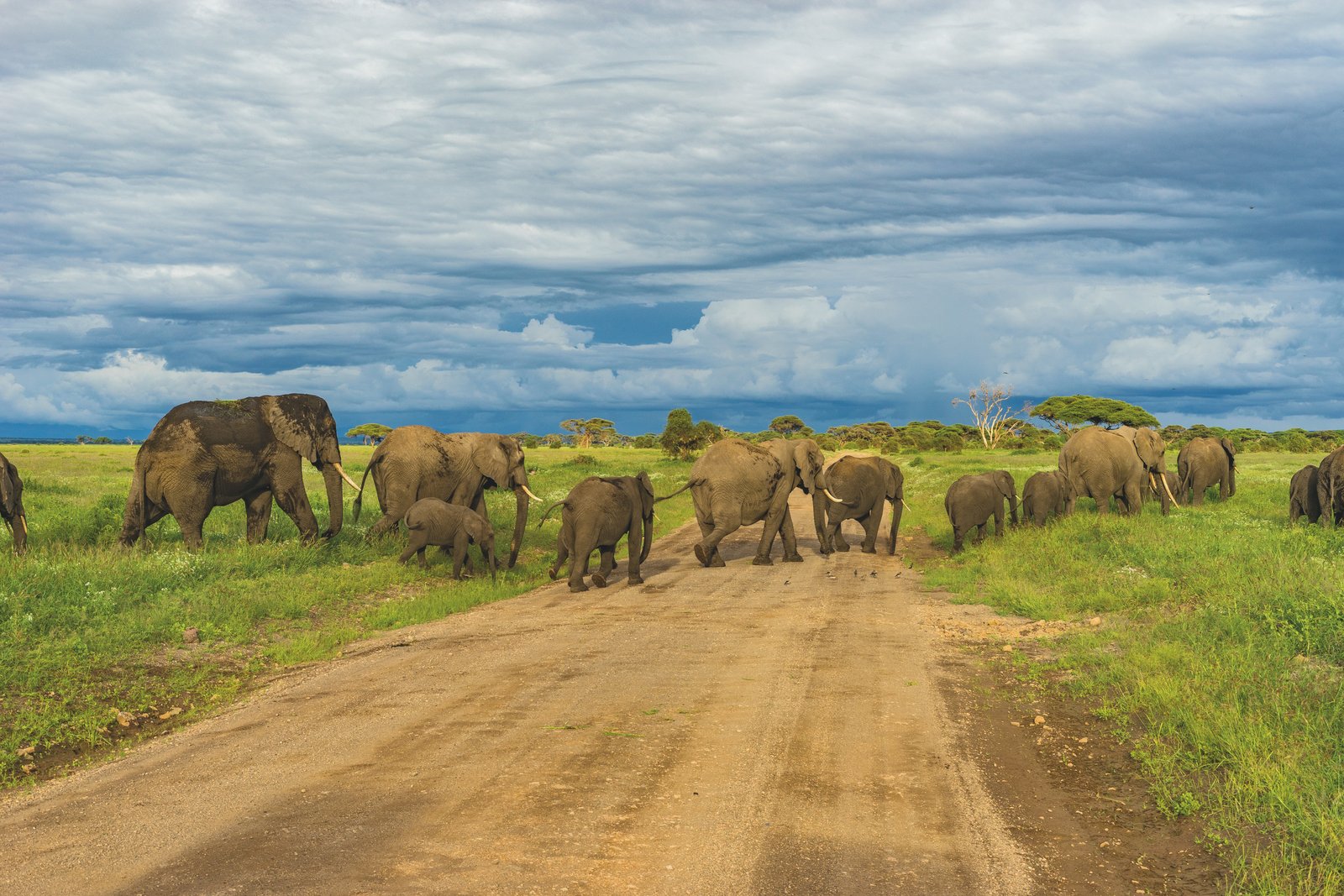
Meet elephant herds beneath baobabs along the life-giving Tarangire River.
Tarangire has a personality all its own: sculptural baobabs, tawny woodland and a river that anchors wildlife during the dry season. It is a rewarding first stop on the northern safari circuit.
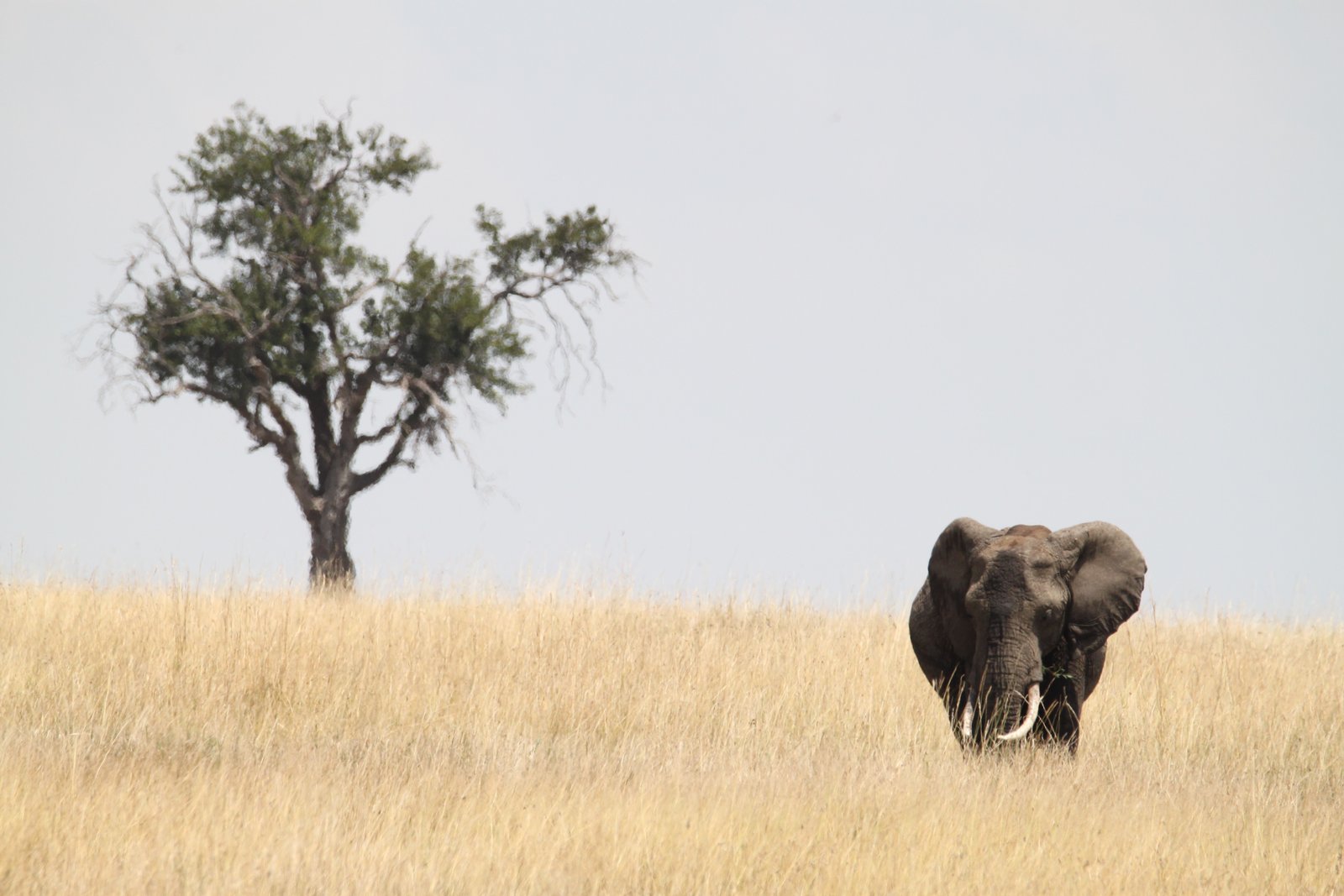
Elephants are the signature sight, often moving in family groups through open woodland. The slower, quieter feel and striking trees make the park especially satisfying for photography.
Elephants are the signature sight, often moving in family groups through open woodland. The slower, quieter feel and striking trees make the park especially satisfying for photography.
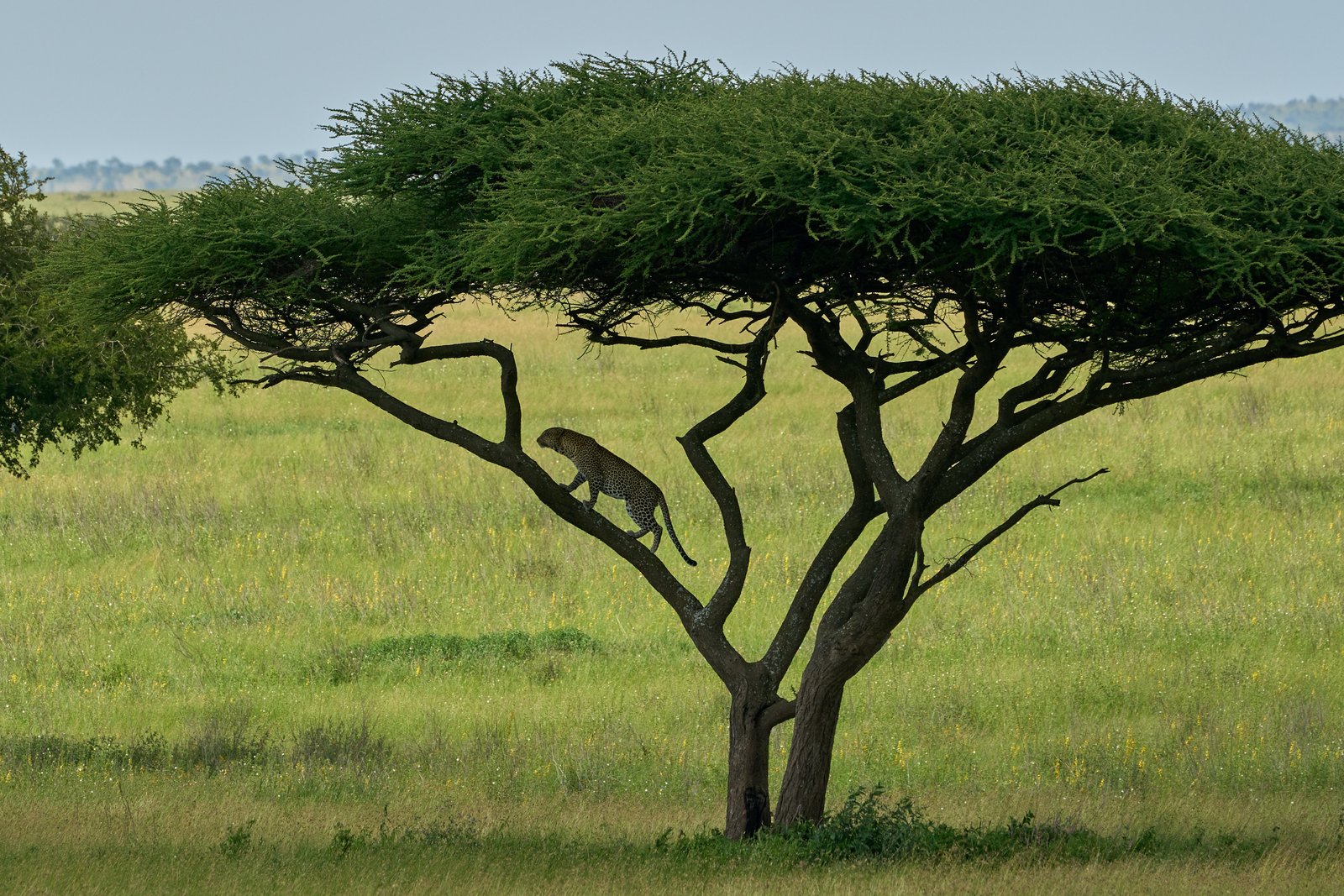
Alongside elephants, watch for giraffe, zebra, wildebeest, impala, buffalo and predators including lion. Birdlife is rich, with raptors and colorful woodland species.
Rolling savanna, acacia woodland, giant baobabs and seasonal wetlands create a different visual rhythm from the Serengeti plains.
Follow the river on guided game drives, stop for baobab photography and devote a second day to less visited sectors if your itinerary allows.
Tarangire River: a vital water source that draws animals as surrounding areas dry.
Baobab country: unmistakable silhouettes and rich bird habitat.
Silale Swamp and southern sectors: worthwhile on longer visits when conditions and drive time allow.
The dry season, roughly June to October, typically gathers wildlife around reliable water. Green-season scenery and birding are attractive too, though animals may spread more widely.
A strong choice for elephant lovers, birders, families and visitors who want variety before Ngorongoro and Serengeti.
Do not judge Tarangire solely by a quick transit drive. Animal distribution changes with water, so a guide who adapts the route makes a difference.
Explore a trip that connects naturally with this destination.
View related tourNo. The dry season is famous for concentrations, while the green season offers lush scenery and active birdlife.
One full day works well; two days allow a more relaxed route.
Tell us your dates and interests; we will shape a practical route around them.