





The mountain experience
This is a mountain trek rather than a wildlife safari. Forest birds and occasional monkeys may be seen on lower slopes; above the forest, altitude and scenery take center stage.
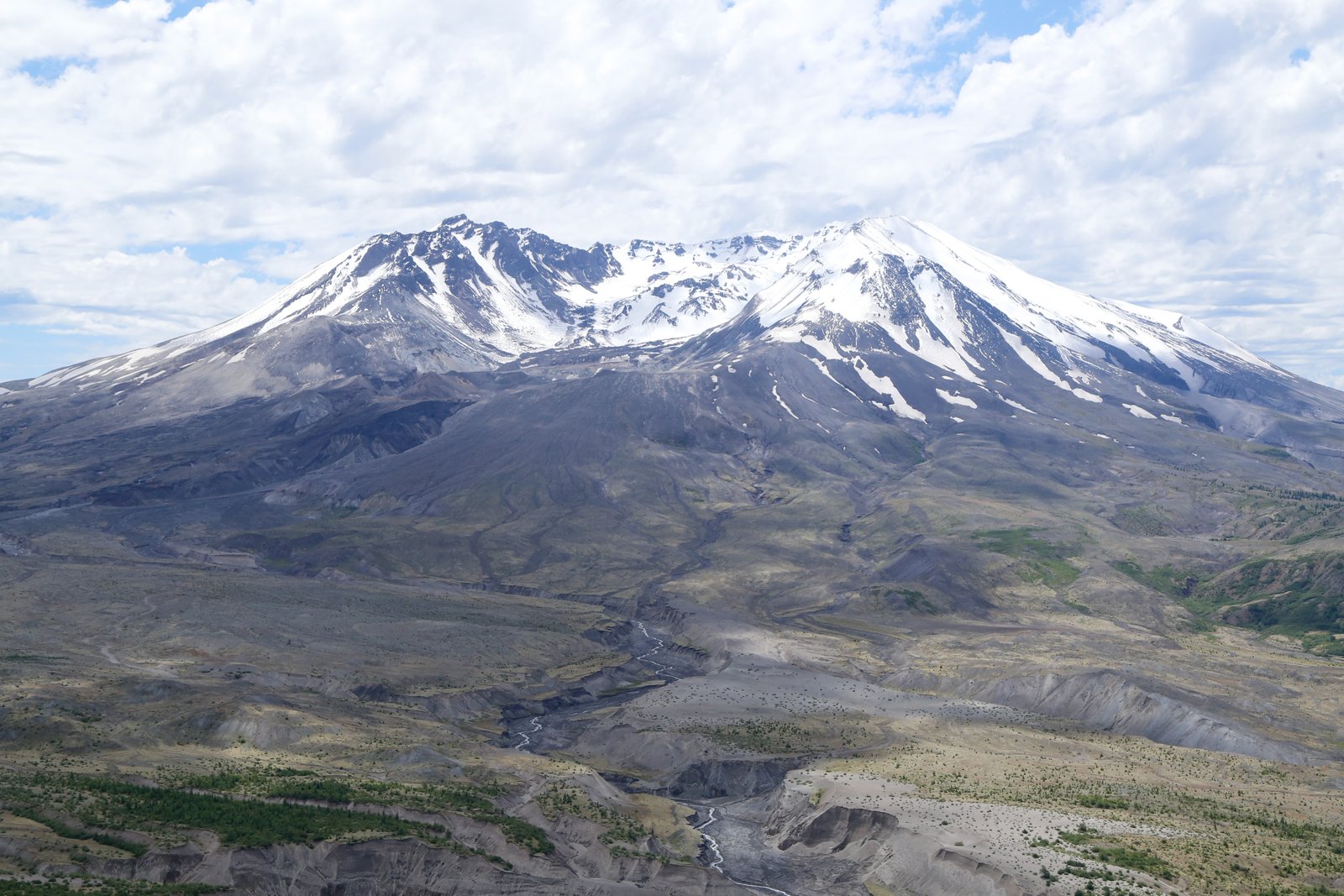
Walk from cultivated foothills to alpine desert and the summit of Africa’s highest mountain.
Kilimanjaro is a trekking mountain, but it demands preparation and respect. A route climbs through changing vegetation zones toward Uhuru Peak at 5,895 meters.
The appeal is the journey as much as the summit: rainforest mornings, moorland plants, stark high-altitude landscapes and the shared effort of a supported expedition.
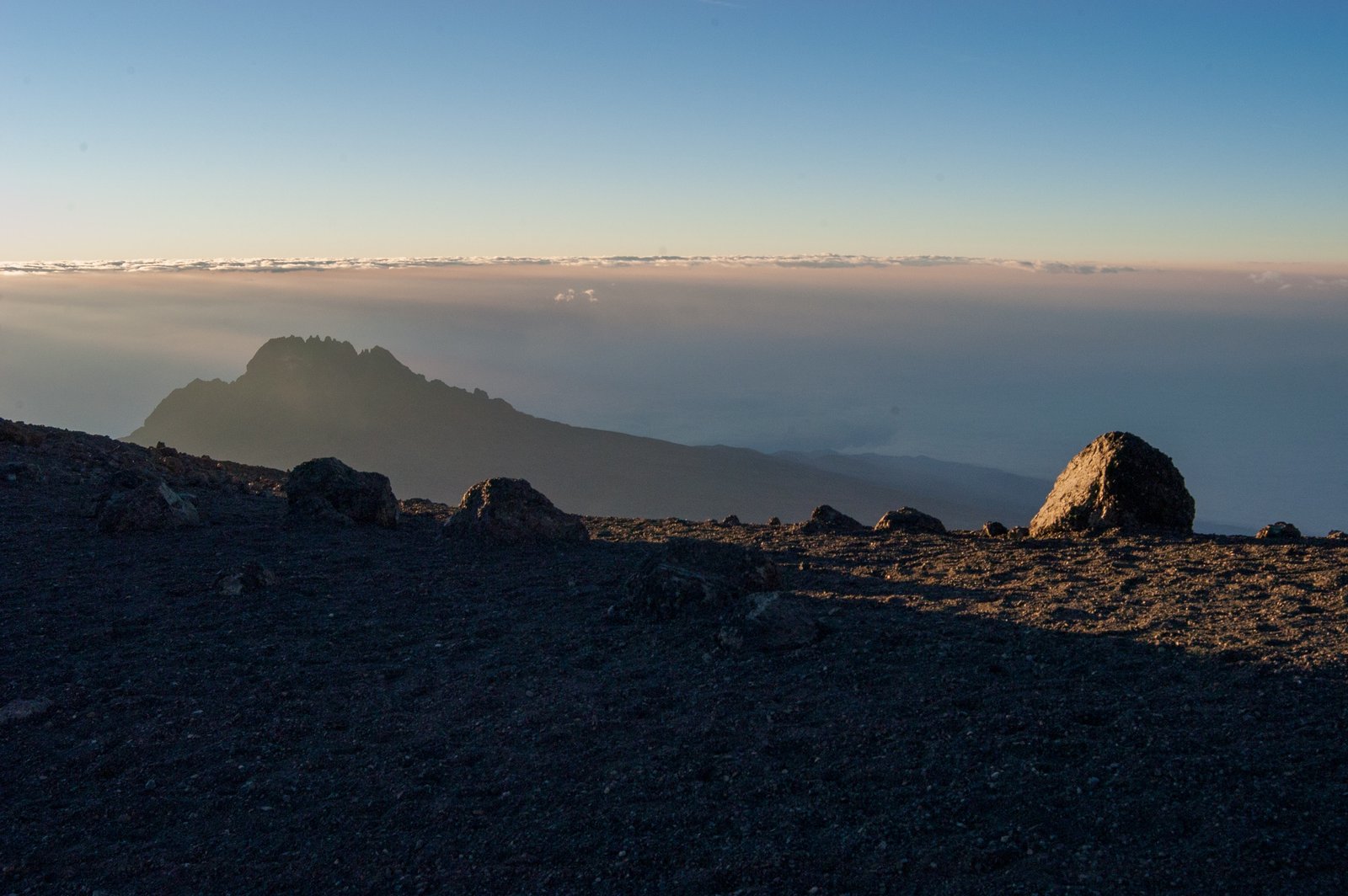
The appeal is the journey as much as the summit: rainforest mornings, moorland plants, stark high-altitude landscapes and the shared effort of a supported expedition.
This is a mountain trek rather than a wildlife safari. Forest birds and occasional monkeys may be seen on lower slopes; above the forest, altitude and scenery take center stage.
The trail passes cultivated land, rainforest, heath and moorland, alpine desert and a cold summit zone. Each stage changes the temperature, footing and physical demands.
Compare routes, train with loaded day hikes, trek with licensed guides and porters, and leave time for rest before and after the climb.
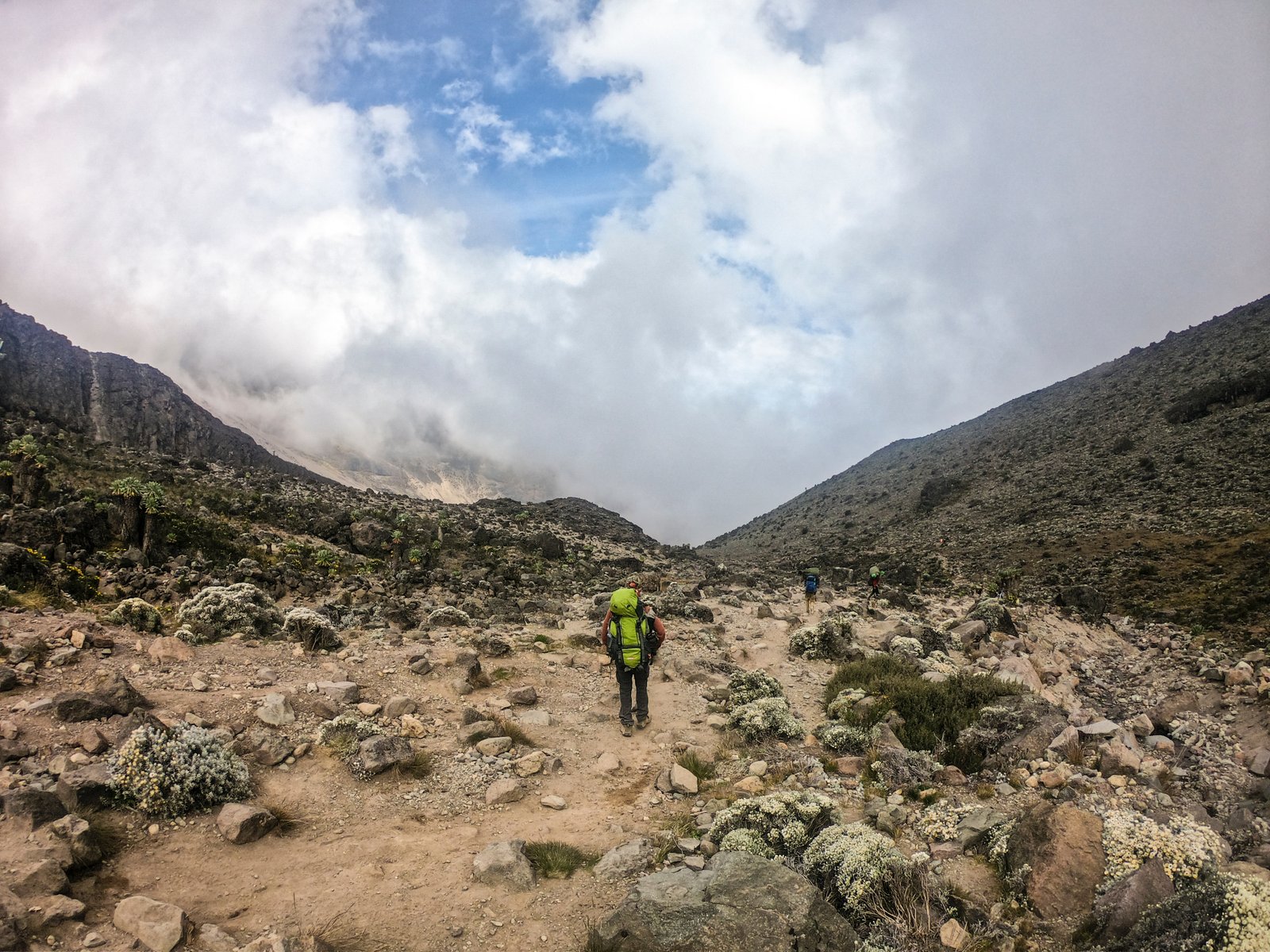
Lemosho: a scenic western approach with strong acclimatization options on longer itineraries.
Machame: varied scenery and a popular camping route.
Marangu: hut accommodation and a more direct trail, still requiring serious altitude planning.
January to early March and June to October are commonly favored for drier conditions, but weather changes quickly at all times. Summit nights can be severely cold.
Best for active travelers comfortable with consecutive hiking days and simple mountain accommodation. A realistic pace matters more than speed.
Choose a longer itinerary when possible, climb slowly, hydrate, and tell your guide immediately about headache, nausea or unusual fatigue. Descent is the response to serious altitude illness.
Explore a trip that connects naturally with this destination.
View related tourThe standard trekking routes are nontechnical, but altitude, cold and long days make the climb physically demanding.
The right choice depends on your time, budget, accommodation preference and acclimatization plan.
Tell us your dates and interests; we will shape a practical route around them.