



Route
★ Est. Climb ★
Kilimanjaro via Marangu,
the classic route, in five days
Your written quotation confirms the park and hut fees, mountain crew, meals, transfers and hotel nights included for your dates. International flights, insurance, personal equipment and crew gratuities are normally separate.
5 days on the Marangu Route, Mount Kilimanjaro
Known as the "Coca-Cola" route, Marangu is the only path up Kilimanjaro with sleeping huts instead of tents, and the shortest way to Uhuru Peak. It's a gentle, gradual climb through rainforest and moorland before the final push across the alpine desert to the summit.
This trek links Marangu Gate, Mandara Hut, Horombo Hut, Kibo Hut and Uhuru Peak on foot, with a park-authorized mountain guide, porters and cook throughout. It is the most direct established Kilimanjaro itinerary and should be chosen for its hut system—not because five days makes altitude easy.
Kilimanjaro stands alone on the Tanzanian plains as a dormant volcano built from three cones — Kibo, Mawenzi and Shira — and its summit is one of the celebrated Seven Summits. Because Marangu is the only route with hut accommodation rather than tents, it's a popular choice for first-time high-altitude trekkers who want a roof and a bunk waiting at the end of each day's walk.
Marangu follows Kilimanjaro's southeastern flank on a direct trail through rainforest, moorland and the Saddle between Mawenzi and Kibo. It is the only main route using shared mountain huts rather than tents, an important comfort difference but not evidence that the climb itself is easy.
The direct profile gives the body less time to adjust than longer circuits. A six-day itinerary adds an acclimatization day around Horombo and is generally the more responsible choice; the five-day version is compressed and best considered by trekkers with relevant altitude experience and a clear understanding of turnaround decisions.
Huts provide bunks and communal dining, but climbers still need a warm sleeping bag, disciplined layering and fitness for a long summit night. The descent shares the ascent trail, so the route suits people who value shelter and simple logistics more than route variety.
The current quotation depends on party size, dates, statutory fees, hotel choices, transfers and equipment arrangements. Nothing is presented as confirmed until it is written into your proposal.
See how your price comes togetherAbout Mount Kilimanjaro
Africa's rooftop, in a nutshell — the facts worth knowing before you set off on the Marangu Route.
Highest peak in Africa
At 5,895m, Uhuru Peak on Kilimanjaro's Kibo cone is the highest point on the African continent and the tallest free-standing mountain in the world, rising almost from sea level with no surrounding mountain range.
Three volcanic cones
Kilimanjaro is a dormant stratovolcano made up of three distinct cones — Kibo, Mawenzi and Shira. Kibo, the highest and youngest, is the one every route climbs; Mawenzi's jagged peak is visible from Horombo Hut.
Five climate zones
In five days you pass through cultivated farmland, lush rainforest, moorland, alpine desert and, near the summit, an arctic zone of snow and glaciers — a full climatic journey from the equator to the poles.
One of the Seven Summits
Kilimanjaro is one of the Seven Summits — the highest mountain on each continent — and, unlike most of the others, needs no technical climbing skill or equipment, just fitness, determination and a slow, steady pace.
How summit night unfolds
Summit-day context — 5 Days Marangu Route Kilimanjaro. The ascent normally begins late at night so the team can use firm, cold ground and reach the crater rim around dawn when conditions and pace allow. Headlamps illuminate a narrow section of trail, conversation becomes brief, and guides hold a deliberately slow rhythm with short managed pauses to limit chilling.
Mountain preparation context — 5 Days Marangu Route Kilimanjaro. Loose scree, volcanic steps, darkness and sub-zero wind make this the hardest section even for fit hikers. Water is carried inside insulating layers, face and hands remain covered, and the guide continually checks coordination, breathing and alertness. A turnaround instruction is a safety decision, not a negotiation.
Reaching Gilman’s Point marks the crater rim; Uhuru Peak at 5,895 metres requires a further traverse when health, weather and turnaround limits permit. Sunrise may appear along the rim, but the priority is a controlled descent to summit base for food and a brief rest, followed by a much longer descent to the lower overnight camp.
Kilimanjaro National Park
The mountain and its surrounding forest are protected as Kilimanjaro National Park, a UNESCO World Heritage Site since 1987, home to elephants, colobus monkeys, and over 140 bird species on its lower slopes.
Best time to climb
The clearest, driest conditions fall in January–March and June–October. The long rains (April–May) and short rains (November) bring wetter trails, though Marangu's forest cover makes it a reasonable rainy-season option.
What's the success rate on the 5-day Marangu Route? +
Marangu is graded easier underfoot than other routes, but five days gives very little time to acclimatize, so the summit success rate is lower than on 6- or 7-day itineraries. We're happy to talk through adding an extra acclimatization night if you'd rather improve your odds.
- Fitness: no technical climbing skill needed, but a good level of fitness helps.
- Pace: "pole pole" (slowly, slowly) — your guide sets a deliberately slow pace to help you cope with altitude.
- Huts: Marangu is the only route with sleeping huts rather than tents, both on the way up and down.
What's included in the mountain crew? +
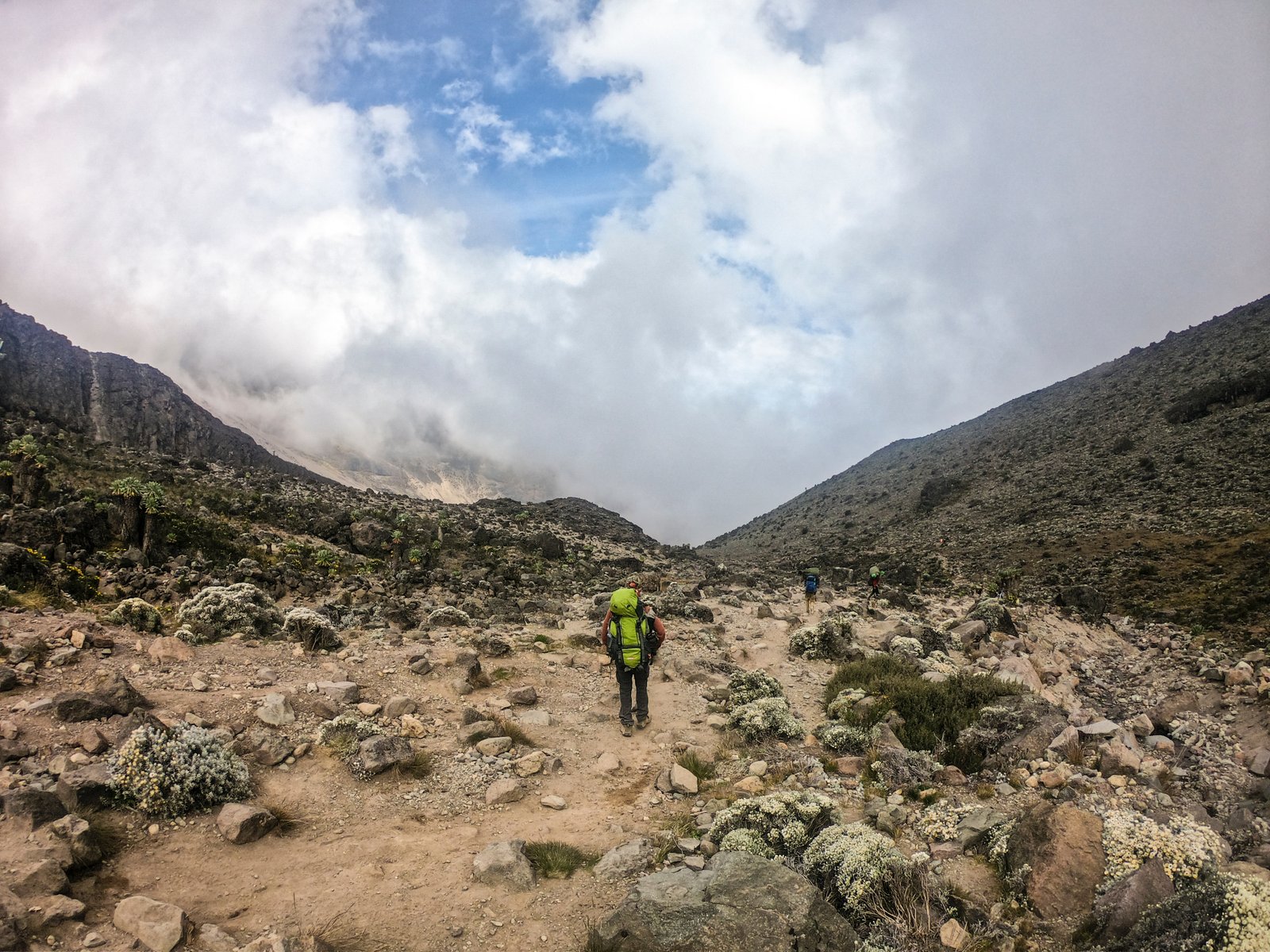
Every climb includes a certified lead guide, assistant guides, a cook and a team of porters who carry camp equipment, food and your main pack — you carry only a day pack with water, snacks and layers.
How can I personalize this trip? +
At Big 7 Safari Tours, we're all about co-creating your journey. We start with your wishes and preferences, and our team tailors every detail until it fits your vision — including swapping to a longer route for better acclimatization.
What gear do I need for Kilimanjaro? +
Layered clothing for four climate zones in one trip, a warm sleeping bag, sturdy broken-in boots, gloves, a headlamp and trekking poles are the essentials — we send a full packing list once you book.
Is it safe to climb Kilimanjaro? +
No high-altitude climb is risk-free. A park-authorized crew, slow pace, daily health checks and early reporting reduce risk, but the five-day profile leaves limited acclimatization time. Emergency oxygen and other safety equipment are carried only as specified in the confirmed climb plan; descent remains the primary response to worsening altitude illness.
How tall is Kilimanjaro and where is it located? +
Kilimanjaro rises 5,895m above sea level in northeastern Tanzania, close to the Kenyan border, roughly 300km south of the equator. It's a solitary volcanic massif, visible for miles across the surrounding plains long before you reach its base.
- Visas
- Travel & rescue insurance
- Personal clothing, sleeping bag and optional equipment hire unless quoted
- Tips for guides, cook & porters
- International flights (bookable on request)
Make it entirely yours.
Every sample itinerary here is a starting point, not a fixed route. Our specialists can extend your acclimatization days or swap huts around what you actually want from your Kilimanjaro climb.
The route
- Arrival Day — Kilimanjaro Airport, transfer to Moshi, hotel night & briefing
- Day 1 — Marangu Gate to Mandara Huts (2,740m) · 7km/4mi · 4–5 hrs · rainforest
- Day 2 — Mandara Huts to Horombo Huts (3,690m) · 11km/7mi · 6–8 hrs · moorland
- Day 3 — Horombo Huts to Kibo Huts (4,695m) · 10km/6mi · 6–8 hrs · semi-desert
- Day 4 — Kibo Huts to Uhuru Peak (5,895m) & down to Horombo Huts · summit day
- Day 5 — Horombo Huts to Marangu Gate to Moshi · 18km/11mi · 6–7 hrs · rainforest
- Departure Day — Free morning in Moshi, transfer to the airport for your onward journey
Day
Welcome, private transfer and Marangu Route briefing
Arrival and transfer context — 5 Days Marangu Route Kilimanjaro. A Big 7 representative meets you at Kilimanjaro International Airport or the agreed arrival point and transfers you privately to your hotel in Moshi or Arusha. The drive introduces the cultivated foothills and, in clear weather, the mountain you are preparing to climb.
Arrival and transfer context — 5 Days Marangu Route Kilimanjaro. After check-in, take time to recover from the flight, hydrate and eat normally. No strenuous activity is scheduled because sleep and calm preparation are more useful than squeezing another excursion into the day before a high-altitude expedition.
Mountain preparation context — 5 Days Marangu Route Kilimanjaro. Your lead guide conducts a face-to-face route briefing covering daily pace, mountain weather, camp routines, hand-washing, water treatment, toilets, porter-duffel limits and the communication expected whenever a climber feels unwell.
Mountain preparation context — 5 Days Marangu Route Kilimanjaro. The guide checks boots, waterproof layers, insulation, headlamp, gloves, sleeping system and personal medication. Missing rental items can be identified before departure, when there is still time to resolve them without disrupting the trail schedule.
Mountain preparation context — 5 Days Marangu Route Kilimanjaro. Emergency contacts, dietary needs, medical disclosures and the next transfer are reconfirmed. Dinner can be arranged at the hotel, followed by an early night; the mountain team completes permits and crew logistics separately.
1
Marangu Gate – Mandara Huts
Departing from Moshi, the transfer climbs through Marangu village to the Kilimanjaro National Park gate. Registration can take time while guides and crew complete permits and weigh loads. Once cleared, the walk enters humid montane rainforest on a broad trail that may be muddy after rain.
Across approximately 7km, the trail rises steadily through dense canopy. Colobus or blue monkeys may be heard or seen, but wildlife remains incidental to the climb. Roots, wet stone and polished steps make gaiters and trekking poles useful even though this is the lowest-altitude route day.
The elevation profile is about 1,830m to 2,740m, with roughly 4–5 hours of walking. The guide deliberately holds a conversational pace and checks water intake, clothing and how each trekker responds to the first sustained ascent.
Lunch is carried for the trail, followed by a warm drink and dinner at Mandara. On arrival, trekkers sign into the hut area, change out of damp layers, prepare sleeping bags on allocated bunks and refill bottles for the next morning.
Mandara is the first chance to learn the shared-hut routine: communal dining, basic washing, quiet hours and early health reporting. If weather and daylight allow, the guide may discuss a short optional walk nearby, but rest takes priority.
2
Mandara Huts – Horombo Huts
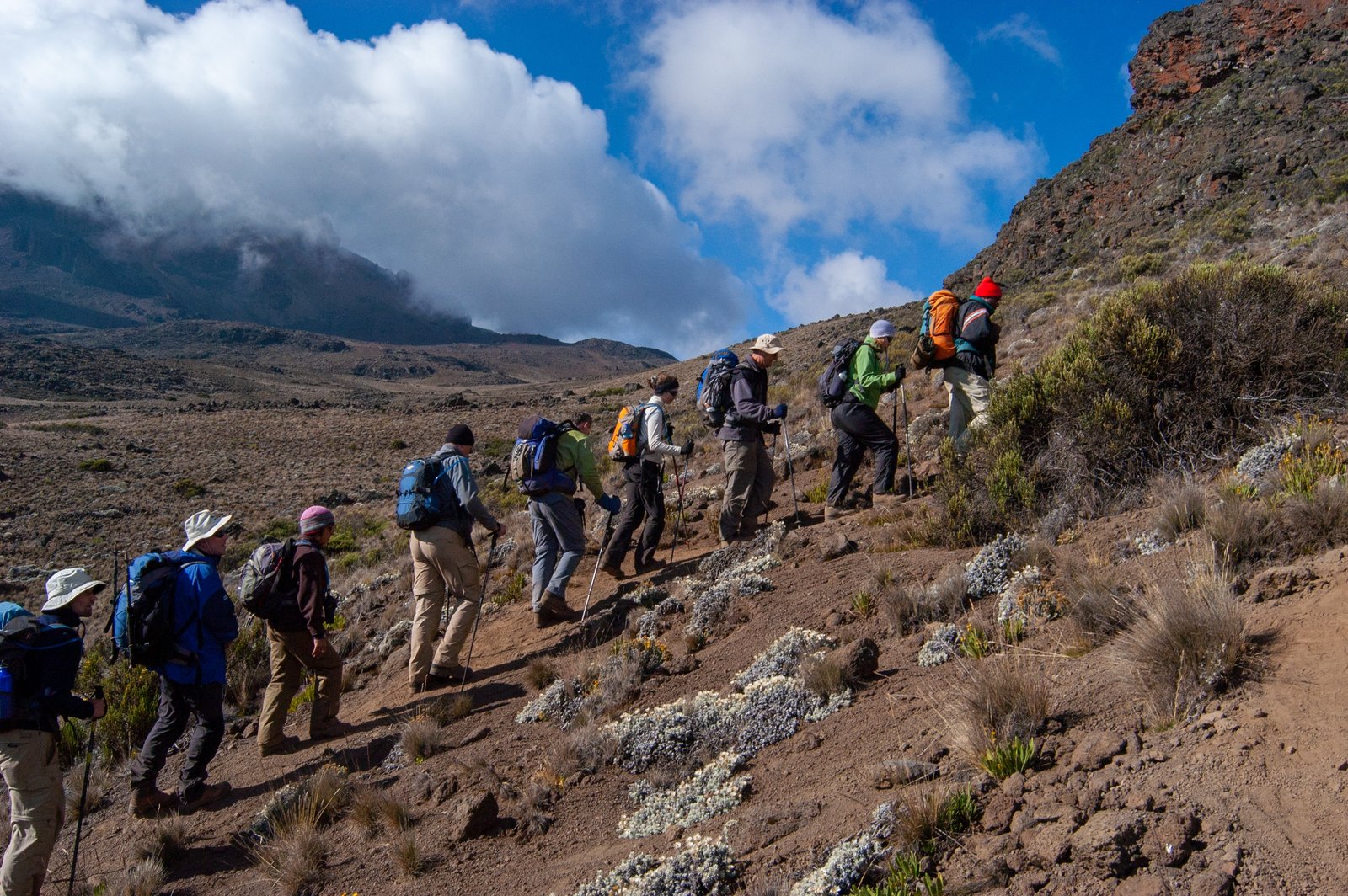
After a good night's sleep and a hearty breakfast, we emerge from the rainforest and continue on an ascending path through heathland, looking for giant lobelias and groundsels. Continue up into open moorlands where small shrubs are the main vegetation. We stop halfway for lunch to enjoy amazing views of Mawenzi, then arrive at the Horombo Huts in the late afternoon beneath the spectacular Kibo summit viewpoint. Temperatures begin to drop. The walking starts at a deliberately controlled pace, with short pauses for water, clothing adjustments and a check that the group is moving comfortably together.
Across approximately 11km, the trail moves through moorland. Underfoot conditions can change quickly with rain, frost or loose volcanic material, while breaks reveal a different angle on Kibo, Mawenzi or the surrounding plains whenever cloud opens.
The elevation profile is 2,740m/9,000ft to 3,690m/12,100ft, and the expected walking time is about 6–8 hrs. Guides watch breathing, balance, appetite and headache symptoms throughout the day; any concern is discussed early rather than hidden until camp.
Meals provided are breakfast, lunch and dinner. On arrival, the crew serves a warm drink, prepares the next meal and helps everyone settle at Horombo Huts; trekkers use the remaining daylight to change into dry layers, refill bottles and rest.
This stage is important to the Marangu Route profile because it balances useful altitude gain with recovery at camp. The guide reviews appetite, headache, sleep and oxygen readings before confirming the next day’s plan.
3
Horombo Huts – Kibo Huts
After breakfast, we continue through the dwindling heathland that blends into a moonscape as you enter the sweeping saddle connecting Mawenzi and Kibo. While we stop for lunch, and later as you cross this surprisingly large saddle, you can examine the summit climb up Kibo that you'll be starting in just a few hours. The walking starts at a deliberately controlled pace, with short pauses for water, clothing adjustments and a check that the group is moving comfortably together.
Across approximately 10km, the trail moves through semi-desert. Underfoot conditions can change quickly with rain, frost or loose volcanic material, while breaks reveal a different angle on Kibo, Mawenzi or the surrounding plains whenever cloud opens.
The elevation profile is 3,690m/12,100ft to 4,695m/15,400ft, and the expected walking time is about 6–8 hrs. Guides watch breathing, balance, appetite and headache symptoms throughout the day; any concern is discussed early rather than hidden until camp.
Meals provided are breakfast, lunch and dinner. On arrival, the crew serves a warm drink, prepares the next meal and helps everyone settle at Kibo Huts; trekkers use the remaining daylight to change into dry layers, refill bottles and rest.
Kibo Hut sits in a stark, exposed setting below the summit cone. Arrival is followed by food, hydration and preparation for the steep scree above Gilman’s Point rather than further unnecessary walking.
4
Kibo Hut – Uhuru Peak – Horombo Hut
The summit attempt begins late at night after a short rest. Headlamps pick out a steep switchback trail through loose scree toward Gilman’s Point. The guide sets a deliberately slow rhythm, limits cold stops and checks coordination, breathing and alertness throughout the climb.
Gilman’s Point at the crater rim is a major high-altitude objective in its own right. Continuing past Stella Point to Uhuru Peak at 5,895m depends on symptoms, weather, pace and the agreed turnaround limit. A guide’s instruction to stop or descend is final even when the summit sign appears close.
The total day is approximately 22km and commonly takes 12–16 hours including the long descent. Darkness, sub-zero wind, volcanic scree and cumulative fatigue make this much harder than the distance alone suggests; insulated water, face protection and dry gloves are essential.
After descending to Kibo for food and a short rest, the team continues across the Saddle and down into thicker air at Horombo. Breakfast, lunch and dinner are arranged around the unusual overnight schedule, and trekkers are encouraged to keep reporting headache, nausea or unusual fatigue during descent.
Arrival at Horombo is for recovery, hydration and sleep in the shared hut. The summit outcome is never placed above a safe return, and reaching a lower camp in good condition is the day’s final objective.
5
Horombo Huts – Marangu Gate – Moshi
After breakfast and a heartfelt ceremony of appreciation and team bonding with your crew, it's time to say goodbye. We continue the descent, stopping at Mandara Huts for lunch — remember to tip your guides, cooks and porters, since you'll be leaving them here. You return to the Marangu Park Gate and receive your summit certificate. As the weather is drastically warmer, the terrain is wet, muddy and steep, so we highly recommend gaiters and trekking poles. From the gate, a vehicle meets you to drive back to your hotel in Moshi (about 45 minutes). Enjoy a long-overdue hot shower, dinner and celebrations! The walking starts at a deliberately controlled pace, with short pauses for water, clothing adjustments and a check that the group is moving comfortably together.
Across approximately 18km, the trail moves through rainforest. Underfoot conditions can change quickly with rain, frost or loose volcanic material, while breaks reveal a different angle on Kibo, Mawenzi or the surrounding plains whenever cloud opens.
The elevation profile is 3,690m/12,100ft to 1,830m/6,000ft, and the expected walking time is about 6–7 hrs. Guides watch breathing, balance, appetite and headache symptoms throughout the day; any concern is discussed early rather than hidden until camp.
Meals provided are breakfast and lunch. On arrival, the crew serves a warm drink, prepares the next meal and helps everyone settle at Hotel in Moshi or Arusha; trekkers use the remaining daylight to change into dry layers, refill bottles and rest.
The final descent retraces the broad Marangu trail through changing vegetation. At the gate the group signs out, receives certificates where applicable and meets the transfer vehicle for a welcome shower and rest.
Day
Recovery morning and private onward transfer
Wake at the hotel after your Marangu Route climb with time for breakfast, a hot shower and a slower start. Legs may feel tired after the long descent, so the day is intentionally light and no demanding activity is assumed.
Practical context — 5 Days Marangu Route Kilimanjaro. Your Big 7 contact checks the agreed flight, safari or Zanzibar connection and confirms the pickup point with reception. Wet or dusty equipment can be reorganized before bags are closed for the next part of the journey.
Practical context — 5 Days Marangu Route Kilimanjaro. If your schedule allows, the team can discuss a gentle town visit, massage or relaxed meal, but these are optional and depend on energy, check-out arrangements and transfer timing rather than being forced into the itinerary.
Arrival and transfer context — 5 Days Marangu Route Kilimanjaro. A private vehicle takes you to Kilimanjaro International Airport, Arusha Airport or the confirmed safari departure point. Appropriate buffer time is built around traffic and airline check-in requirements.
Practical context — 5 Days Marangu Route Kilimanjaro. Travellers continuing on safari or to Zanzibar receive a coordinated handover so the mountain climb connects smoothly with the rest of the holiday. Any service beyond this point remains exactly as listed in the confirmed proposal.
Important things to know about the Marangu Route
A few route-specific essentials worth knowing before you pack your bags.
Hut, not tent, accommodation
Marangu is the only Kilimanjaro route with sleeping huts rather than tents, both on the way up and down — dormitory-style bunks with mattresses, at Mandara, Horombo and Kibo Huts.
Shortest route, lower success rate
At five days, Marangu is the fastest way to the summit, but the quickest acclimatization schedule too — its summit success rate is lower than 6- or 7-day routes. Ask about adding an extra night at Horombo to improve your odds.
Gaiters & trekking poles
The lower rainforest sections and the final descent are frequently muddy and slippery, while the summit push crosses loose scree and volcanic ash. Gaiters and trekking poles are strongly recommended for both.
Big temperature swings
Expect warm, humid rainforest at the gate and sub-zero, windy conditions at Kibo Huts and the summit — pack in true layers so you can adjust quickly as you climb through each zone.
Tipping your crew
Guides, cooks and porters are tipped at the end of the climb — most groups do this at Mandara Huts on the final descent day, just before the crew turns back for the gate.
Summit certificates
Reaching Gilman's Point earns a green certificate; reaching Uhuru Peak earns the gold Uhuru Peak certificate, issued back at Marangu Gate on your way out.
Practical information
A few essentials to sort out before you fly — your specialist will walk you through the rest once you book.
Visa & entry
Visa rules for 5 Days Marangu Route Kilimanjaro depend on nationality, passport and purpose. Use the official Tanzania Immigration portal and verify the current process before travel; an arrival option should never be assumed for every passport.
Health & vaccinations
For 5 Days Marangu Route Kilimanjaro, yellow-fever certificate requirements depend on the countries and transit times in your route. Discuss malaria prevention, routine vaccines and personal health with a qualified travel-health clinician, then verify current official entry rules.
Currency & payments
Money needs for 5 Days Marangu Route Kilimanjaro depend on the written inclusions. Tanzanian shillings are useful for small purchases, cards may work at established properties, and remote areas require a secure backup; request current payment guidance.
What to pack
Pack 5 Days Marangu Route Kilimanjaro with neutral, quick-drying layers, a warm dawn layer, comfortable closed shoes, sun protection and binoculars. Add activity-specific items only when the confirmed route requires them.
Travel insurance
For 5 Days Marangu Route Kilimanjaro, obtain insurance whose wording covers the exact safari, mountain, flight or marine activities and relevant remoteness. Ask the insurer to clarify treatment, evacuation and exclusions in writing.
Getting there
Most travellers fly into Kilimanjaro International Airport (JRO), near Arusha. Your airport pickup and transfer to Tarangire National Park on day one are included in the trip price.
Useful extensions near the Marangu Route
Keep mountain recovery and onward flight timing protected. These nearby experiences are considered separately from the five trekking days.
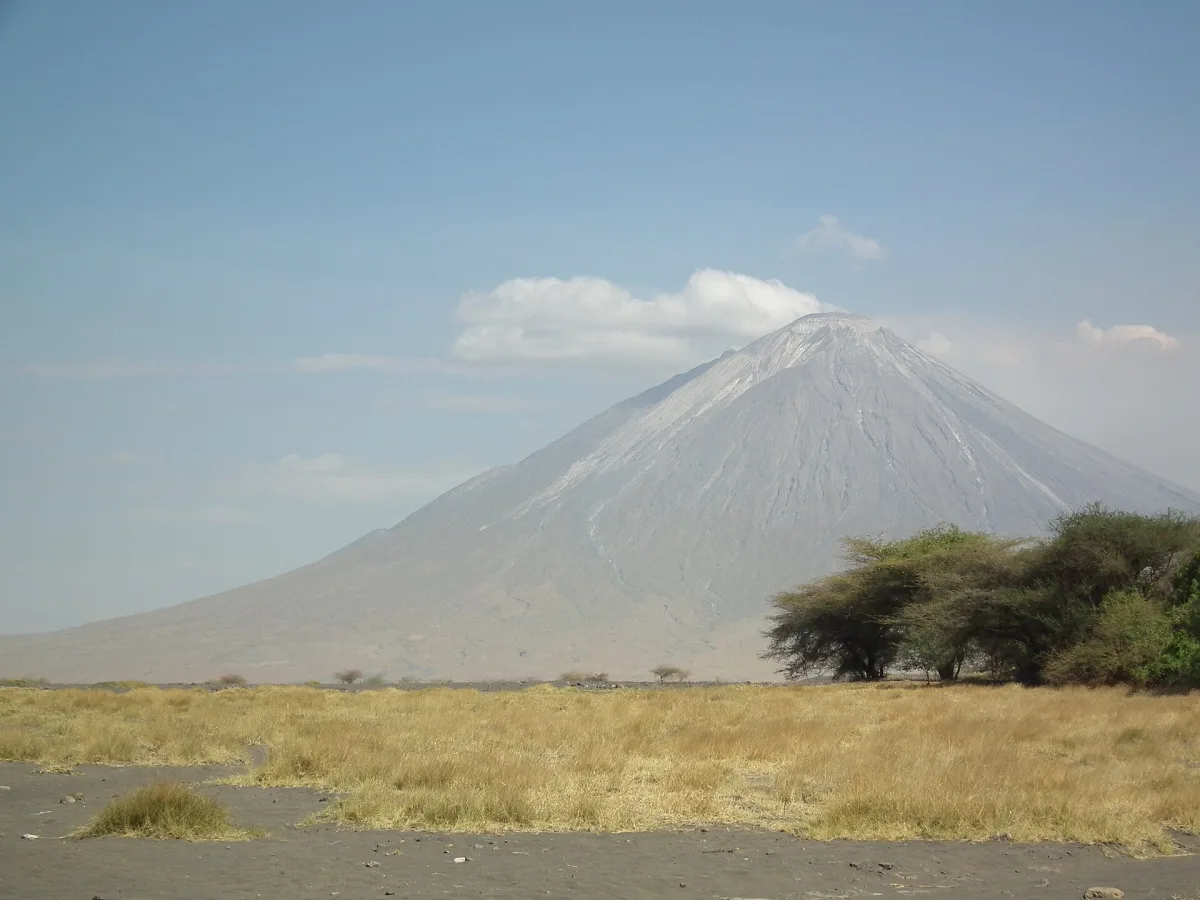
Marangu village cultural tour
Walk with a local guide through the foothill community and learn how Chagga history, farming and daily life relate to the mountain landscape.
View experience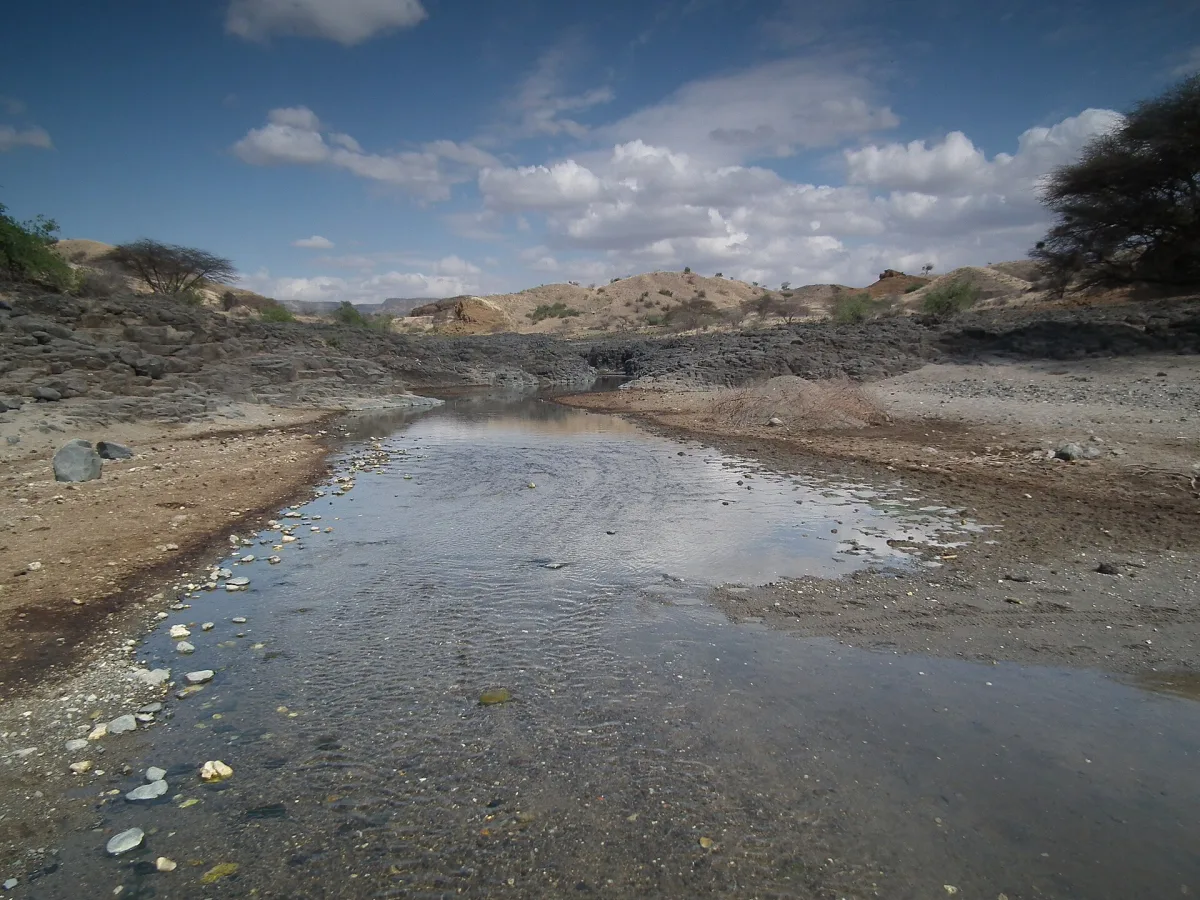
Materuni waterfalls and coffee
A village-hosted waterfall and coffee experience works best on a separate day, with trail conditions checked after the climb.
View experience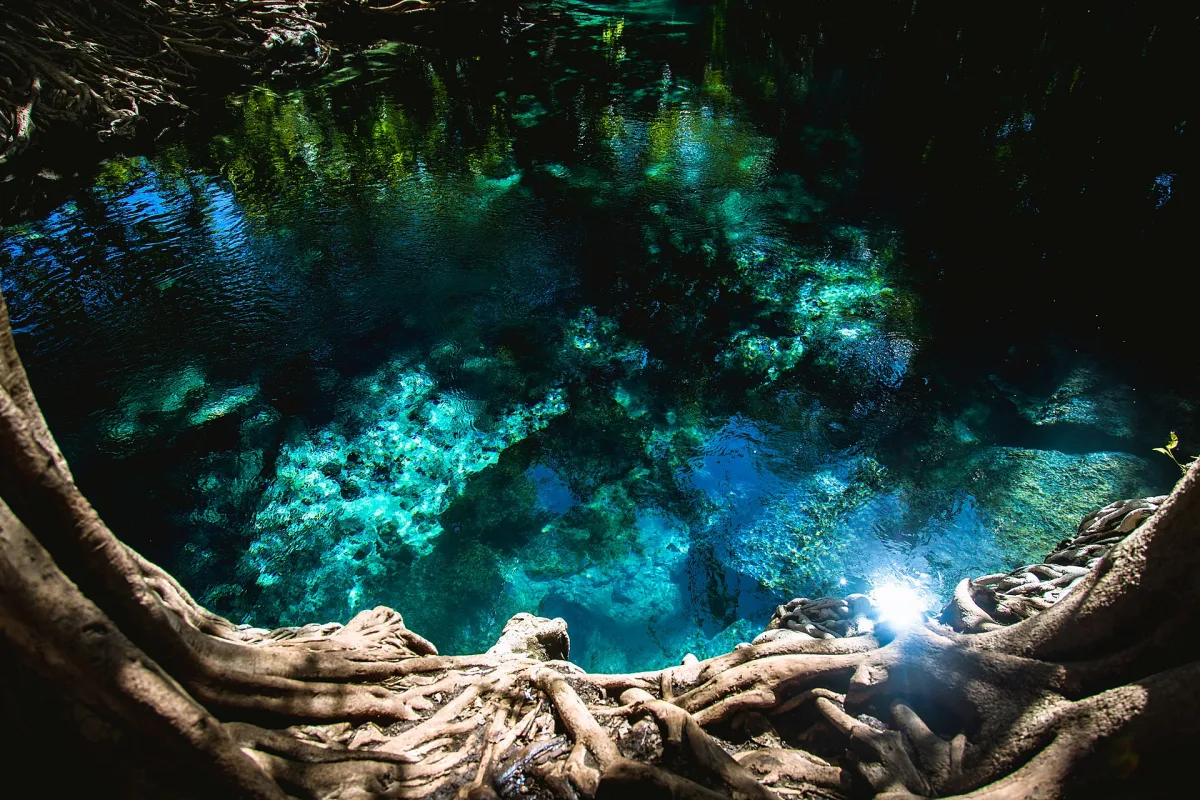
Chemka hot springs
A gentle post-climb day can be considered when transfer time and swimming confidence fit, without treating it as part of the mountain package.
View experienceReady to start planning?
Share dates and party details for 5 Days Marangu Route Kilimanjaro; Big 7 Safari Tours will prepare a current personal proposal. The enquiry itself creates no reservation, payment or obligation.
Let's shape your Kilimanjaro climb
Share the details that affect 5 Days Marangu Route Kilimanjaro: dates, travelers, pace, rooms and priorities. A Tanzania-based planner can prepare a personal proposal without creating a booking obligation.
Related Kilimanjaro treks


Why Big 7 Safari Tours
- Planning grounded in local knowledge
- Clear, personal communication
- Focused on travel within Tanzania
- Tanzania-based trip planning
- Professional guides matched to the itinerary
- Written quotations with clear inclusions
- Practical support from arrival to departure
